

As a supplier of Virgin Pps Rod, I often get asked about the suitability of our product for various applications, especially in the realm of electronic enclosures. In this blog post, I'll delve into the properties of Virgin Pps Rod and explore whether it can indeed be used effectively in electronic enclosures.
Understanding Virgin Pps Rod
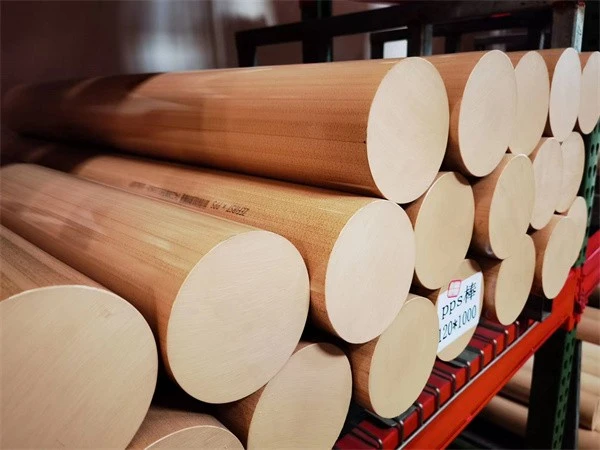
Virgin Pps Rod, or Polyphenylene Sulfide Rod, is a high-performance engineering thermoplastic. It is made from pure, virgin PPS resin, which means it hasn't been recycled or mixed with other materials. This results in a rod with consistent and superior properties compared to recycled or filled PPS materials.
The key properties of Virgin Pps Rod include:
- High Temperature Resistance: PPS can withstand continuous use at high temperatures, typically up to 200°C (392°F) and even higher in short-term applications. This makes it suitable for environments where heat is generated, such as electronic devices.
- Chemical Resistance: It has excellent resistance to a wide range of chemicals, including solvents, fuels, and acids. This property is crucial in protecting the electronic components inside the enclosure from chemical damage.
- Mechanical Strength: Virgin Pps Rod offers high mechanical strength, stiffness, and dimensional stability. It can withstand mechanical stress and impact without deforming or breaking, ensuring the integrity of the enclosure.
- Flame Retardancy: PPS is inherently flame retardant, which is a critical safety feature in electronic enclosures. It helps prevent the spread of fire in case of an electrical malfunction.
- Low Moisture Absorption: It has a low moisture absorption rate, which means it won't swell or lose its mechanical properties when exposed to humid conditions. This is important for maintaining the performance of the electronic components.
Suitability for Electronic Enclosures
Based on its properties, Virgin Pps Rod has several advantages that make it a suitable candidate for electronic enclosures:
Protection of Electronic Components
The high temperature resistance and chemical resistance of Virgin Pps Rod ensure that the electronic components inside the enclosure are protected from heat and chemical damage. For example, in power electronics, where high temperatures are generated, the rod can maintain its shape and properties, preventing the components from overheating and malfunctioning. The chemical resistance also protects against any potential spills or exposure to corrosive substances.
Mechanical Protection
The mechanical strength and stiffness of the rod provide excellent protection against physical damage. Electronic enclosures are often subject to handling, transportation, and accidental impacts. Virgin Pps Rod can withstand these forces without cracking or breaking, ensuring that the internal components remain safe.

Flame Safety
The flame retardancy of PPS is a significant advantage in electronic enclosures. Electrical fires can be extremely dangerous, and using a flame-retardant material like Virgin Pps Rod can help prevent the spread of fire and reduce the risk of damage to the equipment and surrounding environment.
Dimensional Stability
The low moisture absorption and high dimensional stability of Virgin Pps Rod ensure that the enclosure maintains its shape and size over time. This is important for proper fitting of the electronic components and for maintaining the overall integrity of the enclosure.
Considerations and Limitations
While Virgin Pps Rod has many advantages for electronic enclosures, there are also some considerations and limitations to keep in mind:
Cost
Virgin Pps Rod is generally more expensive than other plastics. This can be a significant factor, especially for high-volume production. However, the long-term benefits of using a high-performance material may outweigh the initial cost.
Machinability
Although PPS is a machinable material, it can be more challenging to machine compared to some other plastics. Specialized tools and techniques may be required to achieve the desired precision and finish.

Design Flexibility
The stiffness of Virgin Pps Rod may limit the design flexibility in some cases. For complex shapes or designs that require significant bending or deformation, other materials may be more suitable.
Applications in Electronic Enclosures
Despite the limitations, Virgin Pps Rod is already being used in various electronic enclosure applications:
Consumer Electronics
In consumer electronics such as smartphones, tablets, and laptops, Virgin Pps Rod can be used for internal structural components and enclosures. Its high temperature resistance and mechanical strength help protect the sensitive electronic components from heat and physical damage.
Industrial Electronics
In industrial electronics, where the operating environment is more demanding, Virgin Pps Rod is often used for enclosures of control panels, power supplies, and sensors. Its chemical resistance and flame retardancy make it suitable for harsh industrial environments.
Automotive Electronics
In the automotive industry, Virgin Pps Rod is used for electronic enclosures in engine compartments, where high temperatures and chemical exposure are common. Its ability to withstand these conditions ensures the reliability of the electronic systems.
Conclusion
In conclusion, Virgin Pps Rod can be a suitable material for electronic enclosures, thanks to its high temperature resistance, chemical resistance, mechanical strength, flame retardancy, and low moisture absorption. While there are some considerations and limitations, the benefits often outweigh the drawbacks, especially in applications where high performance and reliability are required.

If you're interested in using Virgin Pps Rod for your electronic enclosure applications, I encourage you to [contact us] for more information and to discuss your specific requirements. We have a wide range of Virgin Pps Rod products available, including Black Pps Rod and Pps Natural Rods, and our team of experts can help you choose the right material for your needs.
References
- "Engineering Plastics Handbook" by Donald V. Rosato and Dominick V. Rosato
- "Plastics in Electronics" by David A. T. Young
- Technical data sheets from PPS resin manufacturers


