

Hey there! As a supplier of Virgin Pps Plate, I often get asked if these plates can be used outdoors. It's a valid question, and in this blog, I'm gonna break it down for you.
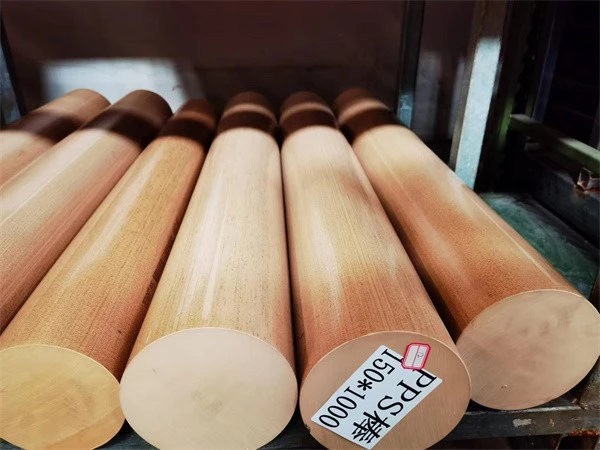
First off, let's talk a bit about what Virgin Pps Plate is. Virgin Pps (Polyphenylene Sulfide) Plate is a high - performance engineering plastic. It's known for its excellent chemical resistance, high heat resistance, and good mechanical properties. You can check out more about it Virgin Pps Plate.
Now, getting back to the main question: Can it be used outdoors? Well, it depends on a few factors.
Weather Conditions
One of the biggest challenges outdoors is the weather. Sunlight, rain, wind, and temperature fluctuations can all take a toll on materials.
- Sunlight: The UV rays in sunlight can be pretty harsh. Over time, they can cause the surface of the Virgin Pps Plate to degrade. The plastic might start to become brittle, lose its color, and its mechanical properties can be affected. However, if the plate is going to be in a shaded area most of the time, the impact of UV rays will be minimized.
- Rain and Moisture: Virgin Pps Plate has good chemical resistance, which means it can handle a certain amount of exposure to water. But continuous immersion in water or long - term exposure to high humidity can lead to some issues. Moisture can seep into the plastic, potentially causing swelling or a change in its physical properties. In areas with heavy rainfall, proper drainage and protection are essential.
- Temperature Fluctuations: Outdoors, temperatures can vary widely from day to night and from season to season. Virgin Pps Plate has a relatively high heat resistance, but extreme cold can make it more brittle. If the temperature drops below its recommended operating range, there's a risk of cracking or breakage.
Environmental Factors
Apart from the weather, there are other environmental factors to consider.

- Pollution: In urban or industrial areas, the air can be filled with pollutants such as chemicals, dust, and particulate matter. These pollutants can react with the surface of the Virgin Pps Plate. For example, acidic pollutants in the air can corrode the plastic over time.
- Biological Growth: In moist outdoor environments, there's a chance of biological growth like mold and mildew on the surface of the plate. This not only looks bad but can also affect the integrity of the material.
Applications
The suitability of using Virgin Pps Plate outdoors also depends on its application.
- Protective Covers: If the plate is being used as a protective cover for equipment or structures, it can be a great option. As long as it's properly installed and has some form of protection from the elements, it can do a good job of shielding what's underneath. For example, it can be used to cover electrical boxes or small machinery in a backyard or a light - industrial outdoor setting.
- Structural Components: When used as a structural component, the requirements are more stringent. The plate needs to withstand not only the environmental factors but also the mechanical stresses associated with its role. In some cases, additional reinforcement or treatment might be necessary.
Comparison with Other Options
There are other materials that are commonly used outdoors, so how does Virgin Pps Plate stack up?
- Metal: Metals like steel and aluminum are often used outdoors. They generally have better strength and durability in harsh environments. However, they are prone to rusting (in the case of steel) and can be more expensive. Virgin Pps Plate, on the other hand, is lightweight and corrosion - resistant in many chemical environments, but it might not be as strong as metal in high - stress applications.
- Other Plastics: There are various other plastics available for outdoor use. For example, PVC is widely used for outdoor applications like pipes and siding. PVC is more resistant to UV rays compared to Virgin Pps Plate but might not have the same level of heat or chemical resistance.
Solutions for Outdoor Use
If you still want to use Virgin Pps Plate outdoors, there are some solutions to make it more suitable.
- UV Stabilizers: Adding UV stabilizers to the plate during the manufacturing process can significantly improve its resistance to UV rays. This helps prevent the degradation caused by sunlight.
- Coatings: Applying a protective coating on the surface of the plate can provide an extra layer of protection against moisture, pollutants, and biological growth. There are different types of coatings available, such as epoxy or polyurethane coatings.
- Proper Installation: Ensuring that the plate is installed correctly is crucial. This includes providing proper support, allowing for expansion and contraction due to temperature changes, and making sure there's good drainage.
We also offer Black Pps Sheet and Natural Pps Plate which might be suitable for different outdoor applications depending on your specific needs.
So, can Virgin Pps Plate be used outdoors? The answer is yes, but with some considerations. It's not a one - size - fits - all solution, and you need to assess your specific situation, including the environmental conditions and the application.
If you're interested in using Virgin Pps Plate for your outdoor project, I'd love to have a chat with you. Reach out and let's discuss how we can make it work for you. Whether it's choosing the right type of plate, adding the necessary treatments, or getting advice on installation, I'm here to help.
References
- "Plastics for Outdoor Applications: A Guide", Polymer Science Institute
- "Engineering Plastics Handbook", Industrial Plastics Association


